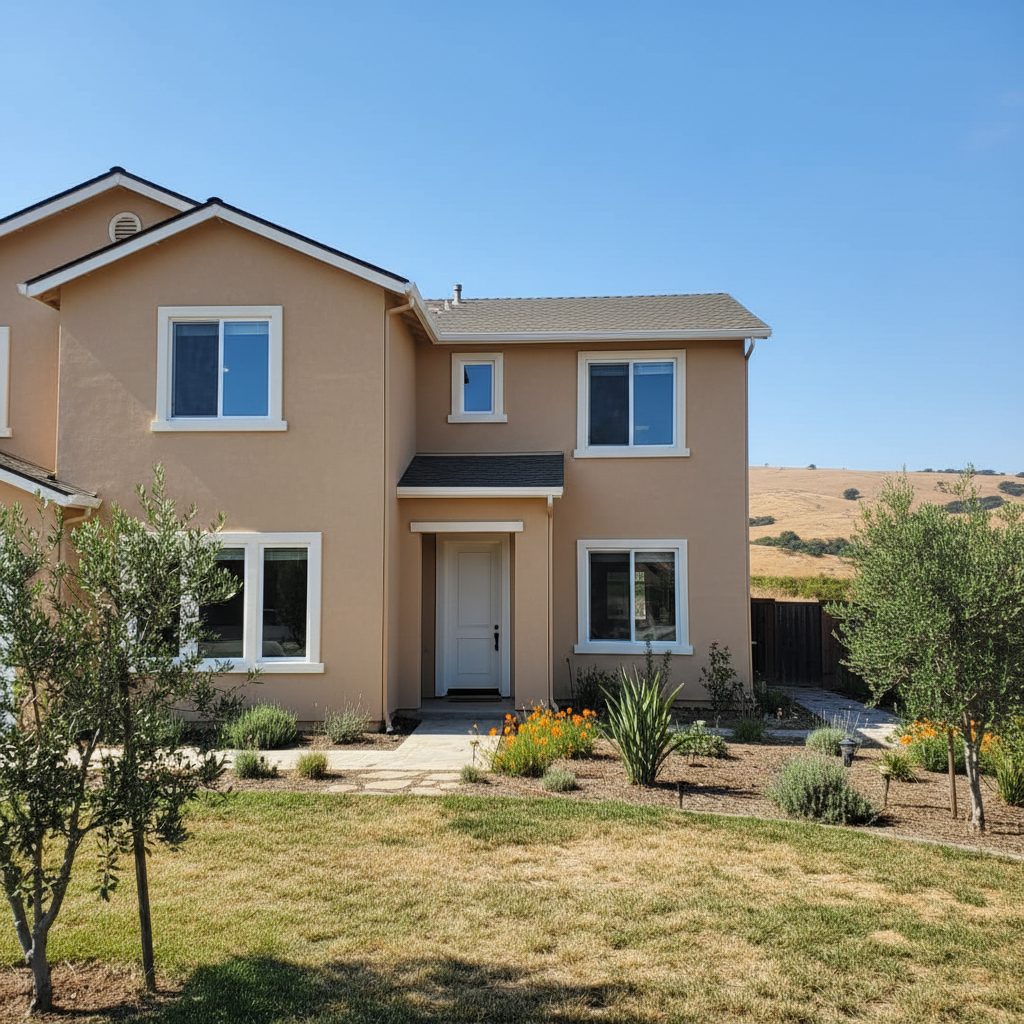
Alright, so you're looking at EIFS for your home here in Antioch. Maybe you've heard good things about its insulation, or you just like the way it looks. Whatever the reason, if you're planning an Exterior Insulation and Finish System project, you probably have some questions. That's smart. A big job like this really needs a solid plan. I've been doing this for years, and believe me, I've seen homeowners jump in without really knowing what they're getting into. Let's make sure that's not you.
What to Expect: The EIFS Installation Process
First off, let's talk about what actually happens when you hire a crew for an EIFS job. It's not just slapping some material on your walls, you know. There's a specific sequence, and knowing it helps you understand the timeline and what's going on around your house.
- Inspection and Prep: We start by checking your existing walls. We need to make sure they're sound and ready for EIFS. We'll clean the surface, make any necessary repairs, and protect your landscaping, windows, and doors. This step is super important; you really don't want to build on a bad foundation.
- Drainage Plane (if applicable): If you're getting a drainage EIFS system – which, frankly, for our climate with those occasional heavy winter rains, is often the smarter choice – we'll install a water-resistive barrier and drainage mat. This is your home's first line of defense against moisture.
- Insulation Board Installation: Next comes the rigid insulation boards. We either mechanically fasten these or glue them to your exterior sheathing. This is where you get that fantastic thermal break, making your home much more energy-efficient.
- Base Coat with Mesh: Once the insulation is up, we apply a base coat, usually a polymer-modified cement, and embed a fiberglass mesh into it. This mesh reinforces the system, giving it strength and impact resistance. You'll see it go on, then get smoothed out.
- Primer (Optional but Recommended): A good primer helps with adhesion and ensures a uniform color for your finish coat. Don't skip it if your contractor recommends it.
- Finish Coat: This is the pretty part. The finish coat is a textured, acrylic-based material that comes in all sorts of colors and textures. It's what gives your home its final look and provides the weather resistance.
- Sealants and Flashing: We'll seal around windows, doors, and any penetrations to prevent water from getting in. Proper flashing is non-negotiable.
- Cleanup and Final Inspection: Once everything's dry and sealed, we clean up the site thoroughly and do a final walk-through with you.
Project Timeline: How Long Will This Take?
This is always one of the first questions I get, and it's tough to give a precise answer without seeing the house. But generally, for an average-sized Antioch home, you're looking at anywhere from two to five weeks. Here's why it varies:
- Size and Complexity: A small, simple ranch house is going to be quicker than a two-story with lots of architectural details, bump-outs, and intricate trim work.
- Weather: We get some pretty hot summers here in Antioch, and those occasional cold, wet winters. EIFS materials need specific temperatures to cure properly. Rain, high humidity, or extreme heat can definitely slow things down. We just can't rush curing times without messing up the system.
- Crew Size: A larger, experienced crew can move faster. But remember, quality shouldn't ever be sacrificed for speed.
- Material Availability: Sometimes there are delays with specific colors or textures, though we at Antioch Stucco & Plastering try to plan ahead for that.
- Unexpected Issues: Sometimes during prep, we uncover dry rot or other structural issues. These need to be addressed before EIFS can go on. This adds time, but it's crucial for the long-term health of your home.
Your contractor should give you a realistic timeline upfront, and keep you updated if anything changes.
How to Prepare Your Home and Property
You can make the process smoother for everyone involved. Here's what I tell folks:
- Clear the Perimeter: Move outdoor furniture, grills, planters, and anything else away from the house. Give us at least 10 feet of clear space if you can.
- Trim Landscaping: Trim back bushes and trees that are right up against the house. This protects your plants and gives us room to work.
- Secure Pets: Keep pets indoors or in a secure, separate area during working hours. We'll have equipment, materials, and people moving around.
- Access to Power and Water: We'll need access to exterior power outlets and a water spigot.
- Inform Neighbors: Give your neighbors a heads-up that there will be some noise and activity. A little courtesy goes a long way.
- Remove Wall Hangings: Inside your home, consider removing valuable or fragile items from walls, especially on the exterior walls being worked on. Vibrations can sometimes cause things to shift or fall.
Key Questions to Ask Before Signing a Contract
Don't just sign on the dotted line. Ask these questions:
- Are you licensed and insured for EIFS work in California? Get proof. Make sure their insurance covers liability and workers' comp.
- What type of EIFS system are you proposing (barrier or drainage)? Why is that the best choice for my home and our Antioch climate? You want to understand the system. For homes in areas like the Dallas Ranch neighborhood, where you might have some specific grading challenges, drainage systems are often critical.
- Can you provide references from recent EIFS projects? Talk to those homeowners. Ask about communication, cleanup, and if they'd hire them again.
- What's your warranty on labor and materials? How long does it last, and what does it cover? Get it in writing.
- What's the payment schedule? Never pay the full amount upfront. A reasonable schedule usually involves a down payment, progress payments, and a final payment upon completion and your satisfaction.
- Who will be the project manager, and how will communication work? You need one point of contact.
- What steps do you take for quality control and moisture management? Ask about flashing details, sealants, and how they prevent water intrusion.
- What's included in the cleanup? Make sure they're responsible for removing all debris.
- Will you pull all necessary permits? This is the contractor's responsibility, not yours. Don't let them tell you otherwise.
Taking the time to plan and ask these questions will save you headaches down the road. An EIFS system is a big investment, and you want it done right. Do your homework, find a reputable contractor, and you'll end up with a beautiful, energy-efficient home that stands the test of time.