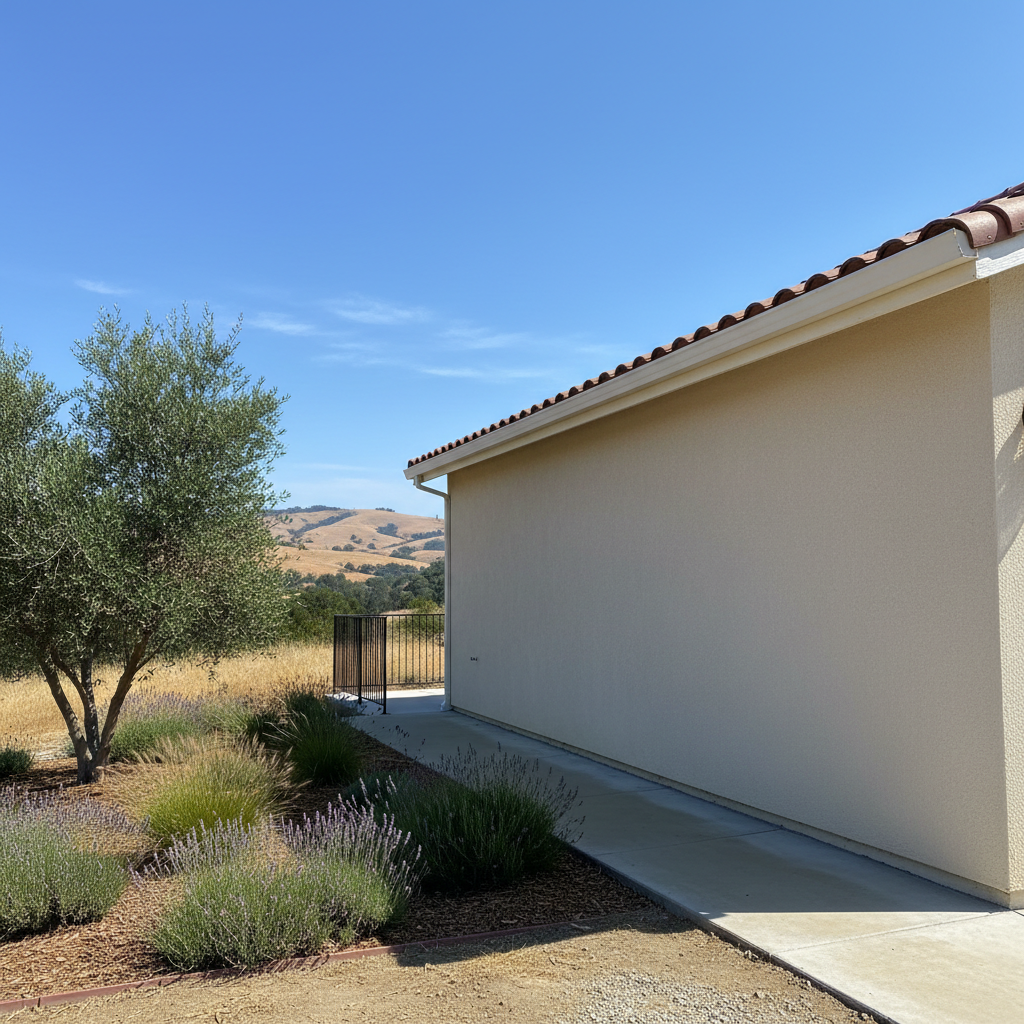
So, you've got stucco on your Antioch home, and you want it to last. Smart move. A good stucco job, done right, can really protect your house for decades, but it's not something you just install and forget about. Just like anything else on your home, a little regular care makes a huge difference. I've seen plenty of stucco in my time around here, and I can definitely tell you what works to keep it looking its best.
Making Your Stucco Last Longer
The absolute biggest thing you can do to extend your stucco's life is to stop water from getting behind it. Stucco is tough, no doubt, but moisture intrusion? That's its Achilles' heel. Here in Antioch, we get those hot, dry summers, but then the winter rains can really pour down. That's precisely why proper drainage and sealing are so important.
First off, make sure your gutters are clean and actually working. If water overflows and runs down your stucco walls, it will eventually find a way in. Same goes for downspouts; they should direct water well away from your foundation. You really don't want water just sitting there, pooling up against the base of your walls.
Next, think about your landscaping. Keep shrubs and trees trimmed back from your stucco. They can trap moisture against the wall, and their roots can sometimes cause issues with foundations or even crack stucco if they're too close. Plus, bugs love to hide in overgrown plants right up against your house, and some of those bugs can cause problems for stucco, too.
Finally, inspect your caulking around windows, doors, and any penetrations like dryer vents or hose bibs. This stuff dries out and cracks over time, especially with our temperature swings here. Re-caulking these areas every few years is cheap insurance against water getting where it absolutely shouldn't.
Regular Maintenance: What You Can Do Yourself
Keeping your stucco clean is probably the easiest thing you can do. Dirt, dust, and even mildew can build up, particularly on north-facing walls that don't get much sun. A gentle washing once a year or so can make a huge difference.
- Soft Wash: Grab a garden hose with a spray nozzle. You don't need a high-pressure washer for general cleaning; in fact, a high-pressure washer can damage stucco if you're not careful.
- Mild Detergent: For tougher spots, mix a little mild household detergent (like dish soap) with water. You can use a soft-bristle brush to gently scrub away grime or mildew. Just make sure to rinse thoroughly afterwards so you don't leave any soap residue.
- Check for Cracks: While you're washing, it’s the perfect time to look closely at your walls. Are there any new hairline cracks? Are existing cracks getting wider? Catching these early can save you a lot of headache down the road, believe me.
Don't forget about the grade around your house, either. The dirt level should always slope away from your foundation. If it's flat or, worse, slopes towards your house, you're asking for trouble. Water will sit there, soak into the ground, and can eventually wick up into your stucco or foundation.
Warning Signs of Stucco Problems
You don't need to be a stucco expert to spot trouble. Here are some common warning signs that tell you something isn't quite right:
- Cracks: Hairline cracks are pretty normal over time, especially with the ground shifting a bit around areas like the Black Diamond Mine soil. But if you see cracks that are wider than a credit card, or if they're running horizontally or in a spiderweb pattern, that's a red flag.
- Stains: Dark streaks or discoloration, especially below windows or near the roofline, often mean water is getting in and running down behind the stucco. Green or black patches could be mildew or algae, which usually means consistent moisture.
- Bulging or Soft Spots: If you press on the stucco and it feels soft, spongy, or you see a bulge, that's a serious sign of water damage and possibly rot underneath.
- Pest Infestations: If you notice a lot of ants, termites, or other pests hanging out around certain areas of your stucco, they might be attracted to moisture or damaged wood underneath.
- Separation: If the stucco is pulling away from window frames, door frames, or other trim, that's an open invitation for water to sneak in.
When to Call a Professional
Look, you can handle a lot of the basic stuff yourself, and I encourage it. But there are times when you really need to bring in someone who knows what they're doing. If you see any of those serious warning signs I just mentioned – wide cracks, bulging, persistent staining, or separation – don't try to DIY a big fix. You could end up making it worse or just covering up a deeper problem.
A professional like us at Antioch Stucco & Plastering can properly diagnose the issue. We've got the experience to tell if it's just a surface crack or if there's significant water damage and rot underneath that needs to be addressed. Sometimes, what looks like a small problem on the outside is a much bigger one once you start digging into it.
Getting an expert opinion early can save you a ton of money and stress in the long run. Don't wait until the problem is huge and expensive to fix. A quick call can give you that feeling of security and keep your home protected for years to come.