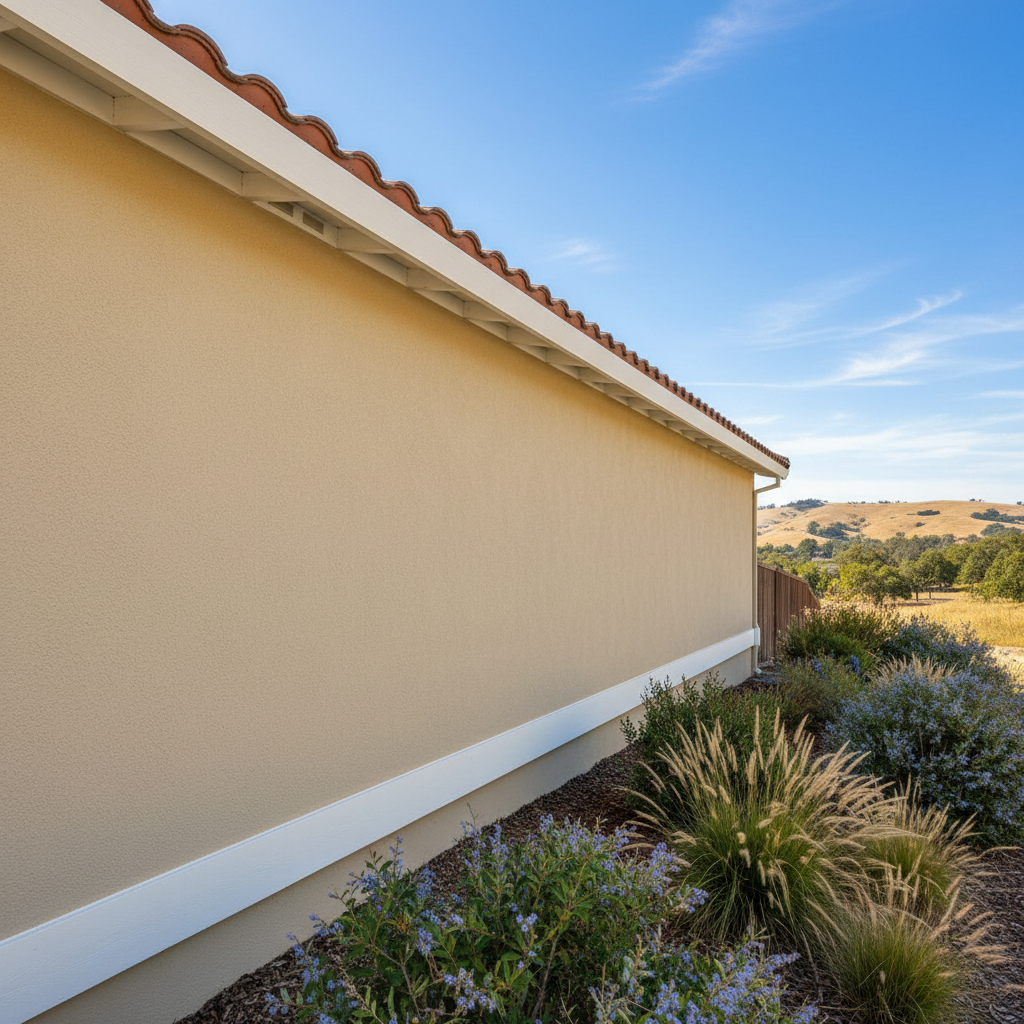
Your Stucco Paint Just Got a Fresh Coat – Now What?
So, you’ve just invested in a fresh paint job for your stucco home right here in Antioch. Maybe you picked a classic earth tone to blend with the landscape, or maybe something bold to really pop. Either way, you want that new look to stick around, don't you? It’s not just about how good it looks from the street; a well-kept paint job actually protects your stucco, and that, in turn, protects your whole house. I’ve seen too many folks think that once it’s painted, the job's done for good. But that's just not how it works, especially with our California weather.
Think of it like getting your car detailed. It looks absolutely amazing when it leaves the shop, but if you never wash it again, it’ll start looking rough pretty fast. Stucco paint is similar. A little regular care really helps extend its life and keeps it looking vibrant.
Making Your Stucco Paint Job Last Longer
The biggest thing that affects how long your paint lasts, aside from the quality of the paint and how it was put on (which, if you went with Antioch Stucco & Plastering, you know is top-notch), is what you do after. Here's what I always tell my clients:
- Keep it Clean: Dirt, dust, and even pollen can build up on your stucco. Over time, this grime can dull the paint and even invite mildew, especially in shady spots or during our wetter months. A gentle wash once a year, or even every other year, makes a huge difference.
- Trim Those Bushes: Any plants or trees that are constantly rubbing against your stucco are going to wear down the paint. Keep them trimmed back a good six to twelve inches. This stops abrasion and lets air circulate better, which helps dry out any moisture.
- Watch Your Sprinklers: I see this all the time, especially in older neighborhoods like Deer Valley. Sprinklers hitting the side of the house, day after day. That constant wetting and drying, particularly with hard water, can leave mineral deposits and break down the paint film. Adjust your sprinkler heads so they're watering your plants, not your walls.
- Sun Protection: Our Antioch sun is no joke. High-quality acrylic paints are made to resist UV damage, but anything you can do to cut down on direct, constant sun exposure on certain walls will definitely help. Consider awnings or strategically planted shade trees if you're thinking about changing up your landscaping.
Regular Maintenance: What's Involved?
It's not rocket science, and it doesn't have to be a huge production. Mostly, it’s just about paying attention.
- Annual Inspection: Walk around your house once a year. Really look at the stucco. Do any spots look off? Any weird discoloration? Get up close.
- Gentle Cleaning: For most homes, a soft brush and a garden hose are all you need. For tougher spots, a mild detergent (like dish soap) mixed with water and a soft-bristle brush can work wonders. Rinse everything thoroughly. If you're going to use a pressure washer, be extremely careful. Keep the pressure low (under 1200 PSI) and hold the nozzle far from the wall. You're trying to clean, not strip the paint or damage the stucco underneath. Honestly, I'd suggest leaving pressure washing to someone who knows what they're doing if you're not confident.
- Check for Cracks: Even with a fresh paint job, stucco can get hairline cracks over time from ground movement or temperature changes. Catching these early is super important.
Warning Signs of Trouble
Your stucco will tell you when it's unhappy. You just need to know what to look for.
- Fading or Chalking: If your paint is losing its color, or if you can rub your hand on it and get a powdery residue, that’s a sign the paint is breaking down from UV exposure. It’s not an emergency, but it means its protective qualities are getting weaker.
- Peeling or Blistering: This is a bigger deal. Peeling or blistering usually points to moisture trapped behind the paint, or poor adhesion when it was first applied. You'll often spot this around windows, doors, or at the bottom of walls where water might be splashing up.
- Cracks (More Than Hairline): While tiny hairline cracks are common, if you see cracks wider than a credit card, or if they’re spreading in a spiderweb pattern, that's a red flag. These can let water get into the stucco and cause bigger issues.
- Discoloration or Stains: Dark streaks, green patches, or rust-colored stains could mean mold, mildew, or metal bits leaching rust. Deal with these fast to stop them from spreading or causing deeper damage.
- Efflorescence: This looks like a white, powdery, or crystalline deposit on the surface. It happens when water dissolves salts inside the stucco, then evaporates, leaving the salts behind. Basically, it means water is getting into your stucco.
When to Call a Professional
Look, I'm all for DIY, but some things are just better handled by the pros. If you see any of those warning signs that go beyond simple surface dirt, give us a call. Specifically:
- Widespread Peeling or Blistering: If it’s more than just a small patch, you’ve got a bigger moisture problem that needs to be figured out and fixed right before repainting.
- Large or Deep Cracks: These aren't just cosmetic. They can mess with the integrity of your stucco and let water in, leading to rot in your wall structure.
- Persistent Mildew or Algae: If you clean it and it just keeps coming back quickly, there might be an underlying moisture issue or a need for a specialized treatment.
- Water Intrusion: Any signs of water actually getting into your home through the stucco – damp spots on interior walls, water stains – that’s an immediate call.
- You're Unsure: Honestly, if you’re looking at something and you’re not sure if it’s a big deal or not, just call us. We’ll come out, take a look, and give you an honest assessment. Sometimes it’s nothing, sometimes it’s something small we can fix before it turns into a major headache. We're right here in Antioch, and we're always happy to help you keep your home in great shape.